-
d100 Ancient Unknowable Entities
This d100 table has plenty of uses. I started it as names as moments as ideas. Then I added names that sounded like an AI. And existential feelings. It doesn’t help that I was listening to some Alan Watts lectures at the time. And so it grew to 100 different entries.
What do you think the list should be called?
- ColdWaterOfAnEarlySpringMountainRiver
- SmellOfTheFirstRain
- WarmWindOfASummerMorning
- WaterFallingOverAHighCliff
- EarlyMorningSunRaysThroughTheTrees
- FreshlyBakedPieAfterAHarvest
- TheYellowGreenOfARipeningLemon
- SoftLightOfANewMoon
- WolfsHowlOnAFullMoon
- ClearBlueOfShallowPond
- LiltingLaughterOfANewborn
- SmellofFreshlyHarvestedGrain
- GrowTowardsTheLight
- CallOfTheBeyond
- HeavyBreathsAtTheEndOfAHunt
- TheCrackOfBonesBreaking
- SwallowLandingOnTheBranch
- LastCallOfTheLionsPrey
- FirstBudsOfTheNewSpring
- ShallowWavesOnTheRock
- ThirdDawnOfKnowledge
- SecondComingOfNULL
- UndefinedIndeterminateDiscontinuousNondifferentiable
- FreshDewOnGreenMoss
- FleetingMomentsOfMeaning
- FourFoldedPath
- WhenTheFifthMoonRises
- ArrivalOfTheSixthOmen
- WintersSilentEmbrace or TheSilenceOfSnowfall or TheFeelingOfConnectionWhenYouSeeThePureWhiteBlanketOfFreshlyFallenSnow
- EnergyClashingInCloudsAbove
- RestrictedLevel9
- AdventOfTheConcordance
- OrganicPrecisionOfGrowth
- AncientAndKnowingSilenceOfTheForest
- CleaningOfTheBroken
- OneAndNineOfTheMany
- KnowingThePathButUnableToFollow
- TimelessnessOfTheVoid
- ThatWhichWatchesFromTheVoid
- LowOrderEntropy
- EternalCallOfTheVoid
- FromWhichTheMoldWasMade
- NinthFallingOfAnAngel
- LastIncarnationOfSalvation
- LongingForASimplerTime
- BranchingPathwaysOfExistence
- SuddenWeightlessness
- UnendingExpansionOfTimeAndSpace
- BreakingofWavesInASmallPool
- SurroundingButNotSurrounded
- UnrealityOfThePermanentSelf
- NotOneNotAll
- AppearanceOfContinuity
- ManyChangeOneRemains
- ShatteredFragmentsOfBeing
- AnticipationOfChange
- PermanenceOfChange
- OfItselfSo
- InfiniteIntervalBetween
- FinalIteration00
- LeaderOfSeekers
- StateBeyondChange
- UnbornUnoriginatedUncreatedUnformed
- DivisionMeridian
- NonDifferenceOfTheCreator
- IllusionOfControl
- LiminalSpaceOfPossibility
- VoidlessSilence
- IntensePressureOfAnEventHorizon
- PrimalHealingOfNature
- ThoughtlessDeep
- UnknowableHorizonOfTheOriginalSingularity
- AsymmetryOfNonSolarConstants
- IsotropicEntropy
- UnendingConsciousnessOfCreation
- AnticipatingDisappointment
- DreamersAreTheDreamed
- FaithIsTheRiverflow
- EternalPatternsoftheFoam
- AccidentalIntelligenceofDistrubutedMatter
- BenevolenceoftheVoid
- NonIntelligenceoftheUltimateReality
- RevitalizingColdAirOnAWinterMorning
- FreshBlanketOfSnowThatRendersAllEqual
- TheGreatHelpofDecay
- FlutterOfTheHeartWhenSeeingSomethingBeautiful
- KnowledgeofGodThroughFaith
- DarkKnowledgeintheCloudofUnknowing
- DiscoveryofaNewJoy
- NonConcept
- EmptinessOfTheVoidThatContainsEverything
- NonDualityofExclusion
- ZealousIndifference
- ConnectedFractionsofLife
- SlowExpansionofSerenity
- MemoriesoftheFuture
- GreaterCosmicRumble, MinorCosmicRumble
- PatternsofRunawayThoughts
- UnknownMomentsToCome
- EndlessSleepBeforeAwakening
What would you use this list for?
As always, good luck with your next session. I believe in you!
Related Posts
- d100 Questions to Get To Know Your PCs
- Three-Point Planning, or How to Session Prep Like a Zelda Game
- The Best Supplement For Your Session Zero (for any game system)
My Favorite Posts
- d100 Magical Trinkets and Relics
- My #1 Tip For New Dungeon Masters
- Three Secret Questions for Combat Encounter Locations
Recent Posts
- Experience Points Vol. 8 – Birthday Fundraiser
- Happy International Game Masters Day!
- Top 10 DnD Resources So Good They Should Be Illegal- Experience Points Vol. 7
- How to Make DnD Combat More Fun – Experience Points Vol. 6
- Dungeons & Dragons Takes Center Stage!
Support the Blog
- Support me on Ko-fi! Ko-fi.com/craigofinspiration
- Save 10% on your order from Dice Legion with code INSPIRAT10N at checkout
- As an Amazon Associate, I may earn from qualifying purchases https://amzn.to/4bg50tj
-
Duck-Billed Blood Mage | Monster
Wicked words whispered in the darkness bring unbearable pain. Webbed feet come into view as your vision fades. Blood drips to the floor from a thin wrist. As your life fades away a voice mutters ancient words transferring your dying breaths to the wound, repairing it as if it never happened. Beware the blood mage, for your death brings them life.
Stat Block
Duck-Billed Blood Mage. CR 5. AC 15. 95 HP.
3 attacks. +7 to hit. 12 (3d6 +2) dmg. Arcane Blast (m/r). Dagger (m/r).
Bonus Action, Hemocraft, take 8 (1d10 + 4) damage to add 8 (1d10 + 4) damage to an attack. Reaction, Witherbloom, any creature that dies within 30 ft of you that you can see you regain 1d10 + 4 hit points.
Swim 30 ft. Fly 50 ft. Resistance to cold damage.
Description
Dark experiments by the Black Brotherhood on various types of Aarakocra led to the creation of the Duck-Billed Blood Mage. Master assassins, the blood mages are the secret keepers of the brotherhood. Trained to hunt any who dare seek the hidden cult devoted to the Chained Oblivion. The black robes of the master assassins allow them to become one with the darkness and strike true from the shadows.
Of the many rumors that surround the infamous mages the following rings most true. If you are close enough to hear their voice, you are even closer to death.
Adventure Hook
The PCs have come into the possession of an item needed by the Black Brotherhood for a dark ritual. The sect of the blood mages called the Shadowwalkers have been dispatched to retrieve the item from the PCs and leave no one alive who knows about it. After fending off acolytes and other members the PCs will have to face down their master assassin leader, Zaric the Eternal Shadow.
Variants
Master Blood Mage Zaric. CR 9. AC 16. 145 HP.
3 attacks. +8 to hit. 22 (3d12 + 3) dmg. Arcane Blast (m/r). Dagger (m/r).
Can use the Shadow Step ability as part of one attack.
Shadow Step. When Zaric is in dim light or darkness, they can teleport up to 60 feet to an unoccupied space they can see that is also in dim light or darkness. Zaric then has advantage on the first melee attack they make before the end of the turn.
Bonus Action, Shadow Stealth, while in dim light or darkness, Zaric can take the Hide action.
Bonus Action, Hemocraft, take 8 (1d10 + 4) damage to add 15 (2d10 + 4) damage to an attack. Reaction, Witherbloom, any creature that dies within 30 ft of you that you can see you regain 2d10 + 4 hit points.
Swim 40 ft. Fly 60 ft. Resistance to cold damage.
Blood Mage Acolyte. CR 2. AC 13. 45 HP.
2 attacks. +5 to hit. 9 (2d6 + 2) dmg. Arcane Blast (m/r). Dagger (m/r).
Bonus Action, Hemocraft, take 6 (1d6 + 3) damage to add 8 (1d6 + 3) damage to an attack.
Swim 30 ft. Fly 30 ft. Resistance to cold damage.
Combat
The blood mages are trained to separate their targets and ambush them in the dark when they least expect it. Acolytes are used to distract and lead unsuspecting victims to their doom in a dark alley or hidden alcove. Master assassins can travel through shadows, striking their foes and hiding in the darkness.
History
With a History or Arcana check the characters can learn the following
DC 10 – Blood Mages train for years as acolytes before earning their red robes.
DC 15 – The red-robed mages have mastered the art of harvesting the life-breath of a dying creature to heal and reinvigorate themselves.
DC 20 – Not many have fought a master assassin and lived to tell the tale. Rumors suggest they use arcane means to travel through shadow.
Behavior
- Gathering intelligence from their local spy networks.
- Preparing materials for a dark ritual.
- Waiting in the shadows for an ambush.
- Searching for evil artifacts
Signs
- Arcane wards written in blood
- Rodents and other small animals puppeteered as spies
- Perception Check DC 17 to see an assassin watching in the shadows
- Black feathers leading to a dark alley or someplace similar
Inspired by conversations on Threads with user cerberus_rising13.
Created using Forge of Foes by Teos Abadia, Scott Fitzgerald Gray, and Michael E. Shea. Influenced by the Level Up: Monstrous Menagerie by Paul Hughes.
Related Posts
- Three-Point Planning, or How to Session Prep Like a Zelda Game
- The Best Supplement For Your Session Zero (for any game system)
- Get to the Good Part, or Starting ‘in media res’
My Favorite Posts
- d100 Magical Trinkets and Relics
- My #1 Tip For New Dungeon Masters
- Three Secret Questions for Combat Encounter Locations
Recent Posts
- Experience Points Vol. 8 – Birthday Fundraiser
- Happy International Game Masters Day!
- Top 10 DnD Resources So Good They Should Be Illegal- Experience Points Vol. 7
- How to Make DnD Combat More Fun – Experience Points Vol. 6
- Dungeons & Dragons Takes Center Stage!
Support the Blog
- Support me on Ko-fi! Ko-fi.com/craigofinspiration
- Save 10% on your order from Dice Legion with code INSPIRAT10N at checkout
- As an Amazon Associate, I may earn from qualifying purchases https://amzn.to/4bg50tj
-
10 Questions To Ask During A Session for PC Worldbuilding

by xTernal7 on deviantart Involving your players in world-building is an important aspect of a tabletop campaign. Whenever possible a dungeon master should allow the players to add their own ideas to the world. This is easier to do during a session zero with details like where the PCs are from and their backstories.
Ask questions like these during a session to give the players the power to add even more to the world. Let the players contribute to the world. This will increase their investment and foster greater immersion. These shared interactions lead to immersive role-playing and ownership over the campaign world. Use these questions when the characters arrive in a new location, use new abilities, or return somewhere familiar. Enhance your players’ engagement and world-building. Here are ten questions dungeon masters can ask players during a session.
- How do you know this NPC?
- What is for sale at the shop?
- What the fuck is up with that?*
- Where did you learn this language or skill?
- Where was the first time you heard that song?
- What does the smell remind you of?
- Any local festivals or celebrations where you are from?
- What historical event does the painting depict?
- What game are the children playing? Does it bring up childhood memories?
- What are some religious/cultural rituals where you are from?
When you incorporate the players’ responses into the world make sure to weave it into the narrative, make it relevant to the plot, and use NPCs the players have connections to. Build a shared lore with the players to encourage creativity while giving them the chance to impact the narrative.
Do you have questions to add to the list? Other techniques for getting the players to world-build during a session?
Let me know if you have any questions or concerns in the comments!
Good luck, I believe in you. See you in the future!
Related Posts
- 3 Books to Level Up Your Next DnD Game
- Three-Point Planning, or How to Session Prep Like a Zelda Game
- The Best Supplement For Your Session Zero (for any game system)
My Favorite Posts
- d100 Magical Trinkets and Relics
- My #1 Tip For New Dungeon Masters
- Three Secret Questions for Combat Encounter Locations
Recent Posts
- Experience Points Vol. 8 – Birthday Fundraiser
- Happy International Game Masters Day!
- Top 10 DnD Resources So Good They Should Be Illegal- Experience Points Vol. 7
- How to Make DnD Combat More Fun – Experience Points Vol. 6
- Dungeons & Dragons Takes Center Stage!
Support the Blog
- Support me on Ko-fi! Ko-fi.com/craigofinspiration
- Save 10% on your order from Dice Legion with code INSPIRAT10N at checkout
- As an Amazon Associate, I may earn from qualifying purchases https://amzn.to/4bg50tj
-
The Dungeon Master’s Handbook: Tips from July 2023
Here are the top ten Dungeon/Game Master tips that I posted to various social media channels in July 2023. These tips are great for almost any TTRPG like Dungeons & Dragons or Pathfinder.
- Always use character names to address your players. It keeps the sense of immersion going.
- If a battle starts to feel stale, don’t be afraid to set the room on fire.
- Your most dangerous villain may never actually show up in an encounter. They’re too smart to scrap it out.
- In dungeons, give players useful information to help with choices. “Great heat on the left, smell of death on the right.”
- Don’t punish your group for coming up with fun “cheating” spell combinations. Give them the avenue to use them.
- This is my number one single-word tip to run a great D&D game: relax.
- Watch, read, and listen. Steal ideas from everywhere to incorporate into your game.
- Keep a list of interesting characters from your favorite books, movies, and shows to keep in mind during your game.
- The best minis to invest in are the ones you can use most often at the table.
- Be mindful of your games ending time. It’s better to end with your players hungry than it is to leave with them tired and bored.
These tips are courtesy of Mike Shea at slyflourish.com.
If you have any questions please leave them in the comments below.
As always, good luck with your next session, I believe in you! See you in the future.
Related Posts
- Three-Point Planning, or How to Session Prep Like a Zelda Game
- 10 Questions To Ask During A Session for PC Worldbuilding
- The Best Supplement For Your Session Zero (for any game system)
My Favorite Posts
- d100 Magical Trinkets and Relics
- My #1 Tip For New Dungeon Masters
- Three Secret Questions for Combat Encounter Locations
Recent Posts
- Experience Points Vol. 8 – Birthday Fundraiser
- Happy International Game Masters Day!
- Top 10 DnD Resources So Good They Should Be Illegal- Experience Points Vol. 7
- How to Make DnD Combat More Fun – Experience Points Vol. 6
- Dungeons & Dragons Takes Center Stage!
Support the Blog
- Support me on Ko-fi! Ko-fi.com/craigofinspiration
- Save 10% on your order from Dice Legion with code INSPIRAT10N at checkout
- As an Amazon Associate, I may earn from qualifying purchases https://amzn.to/4bg50tj
-
Three-Point Planning, or How to Session Prep Like a Zelda Game
Have you ever wondered why exploring Hyrule in Breath of the Wild and Tears of the Kingdom is so fun and rewarding? How did the developers create such an engaging and enormous world? After many hours in both games, I have broken down the wisdom of the Legend of Zelda into one concept. Three-point planning.
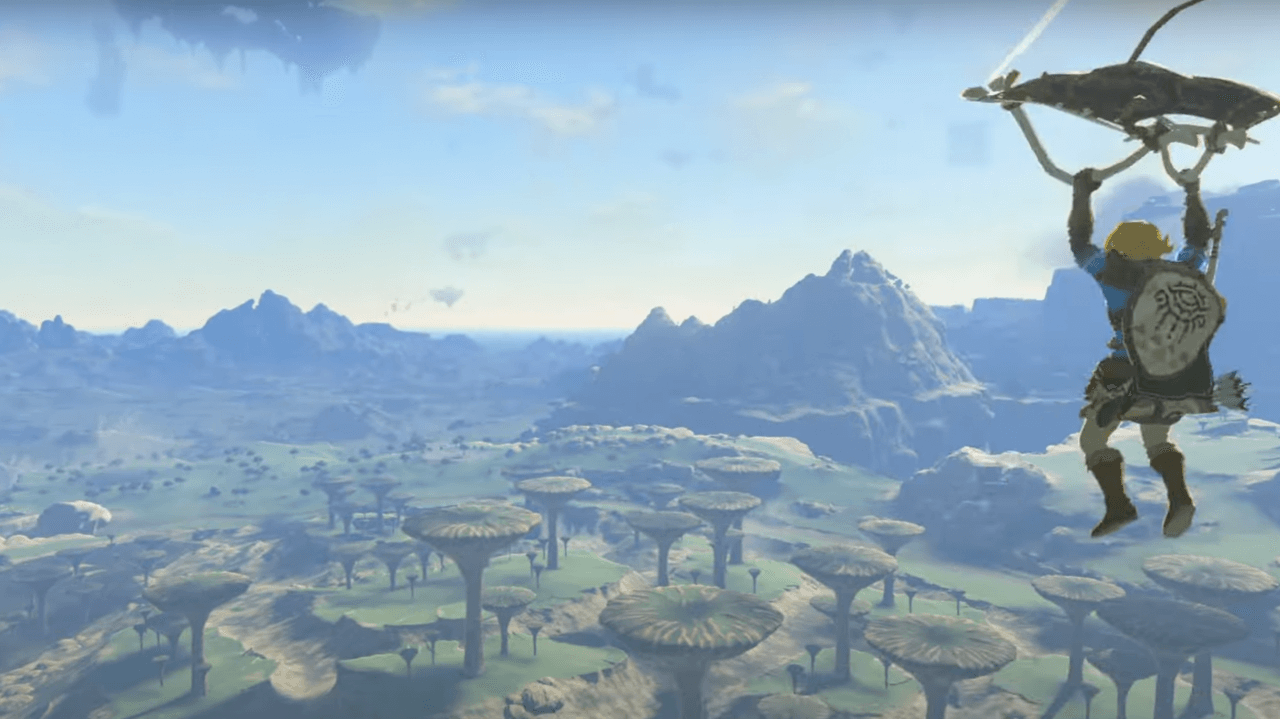
Nintendo What is Three Point Planning?
Three-point planning is preparing three choices for the characters to engage with. There are always exceptions like at the beginning or end of an adventure. Yet, by giving the players choices you give them the power to create their own story.
From the PCs’ current location, what are three possible locations they can travel to? In the wilderness, this looks like monuments and fantastic locations discovered between destinations. TLoZ does this through the use of shrines, towers, NPCs, caves, enemy camps, etc. A D&D game might include an archway, an obelisk, or a stone circle that the PCs come across while traveling.
Think of a couple of small details that can give more flavor to the situation and location. How old is the space? What condition is it in? And what has changed over time? Small details described well can go a long way toward giving the world a sense of history.
Write down some ways the PCs can learn some secrets or clues about their current mission. What can they learn about their enemy? Do they have any reluctant allies? What events tie the PCs to the story? Other secrets can be about the history of the world. You never know when you need a nugget of info to reward a player for exploring your world.
How to Use It?
There are three general types of locations for this technique: near, middle, and far. Far locations are things like mountain ranges, large cities, and forests. Middle locations are found while traveling like caves, camps, or cabins. Near locations include what they can see from where they are. Examples include traveling merchants, a copse of trees, or a babbling brook.
Use active descriptions of locations so the PCs can take charge of their exploration. They should discover middle locations that are side quest length. No more than a full session, unless you’re into that. As they travel, far landmarks like the tall mountains can keep the characters on the right path.
Imagine the characters decide to follow the babbling brook instead of the road. It’s possible the travelers up ahead are bandits in disguise. As they follow the river they find an old cave that hides a shrine to an ancient deity. Continuing on, the ruins of an old castle come into view so PCs take some time to explore. Among the ruins, they find old magic and undead entities. Good thing the mountains to the east are visible so they can make sure they head in the right direction.
In each of these cases, the players will have plenty of ways to explore and learn about the world. Maybe they see interesting animals while following the brook. Maybe one of the PCs develops a connection with the lost goddess found at the cave shrine. Maybe later an NPC recognizes the sword found in the castle ruins. Learn what hooks the players the most and give it to them in pieces while they explore. Tie these bits of info to their character to get them even more hooked.
In cities, three-point planning creates diverse districts with unique landmarks and points of interest. This makes it easier for the players to explore by giving them options. Examples include a marketplace, a nobles’ neighborhood, or the docks if there is a port. Include three notable NPCs for each district that can act as quest-givers, allies, or adversaries. Give them their own personalities, goals, and secrets so the players find them engaging and intriguing.
Prepare three popular landmarks in the city that can serve as points of interest. Examples include an ancient church dedicated to a main deity, an old library with hints of forbidden knowledge, or a network of underground tunnels run by a thieves guild. These landmarks give the players meaningful choices as well as opportunities for engagement.
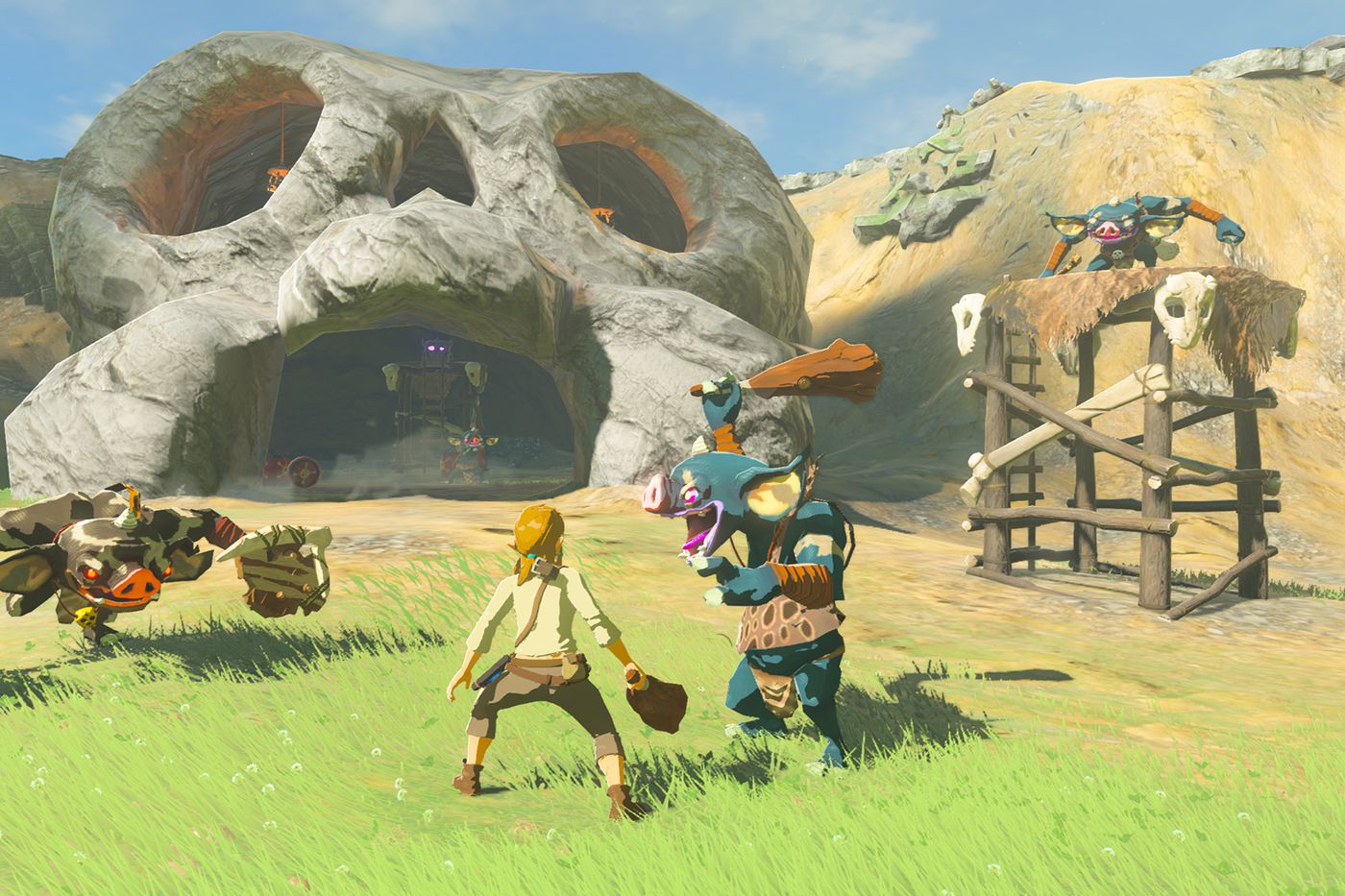
Nintendo Why use it?
One reason to use three-point planning is to provide a structure for your session planning. By creating lists of three you will always have something interesting for the PCs to find and explore. These monuments and locations the PCs find are perfect places to include secrets and lore about your world. How are far-off events affecting day-to-day life? What civilizations rose and fell before the current ones in power? Were the current gods always favored? How old is the emperor king anyways? Find the answers by exploring the world three points at a time.
One difficulty of this might be that going backward acts as a cop-out to your planning. It shouldn’t be and don’t treat it like one. Retreating should always be an option when the PCs are stuck or encounter something too powerful. Being flexible and ready to adapt to your players’ decisions is an important skill for all game masters. Lean into your players’ choices and let them shape the story as they explore your fantastic world.
Be careful when presenting many choices, as you don’t want to give the players too many. This can cause them to waste time debating and analyzing each option. Incorporate time constraints to keep the story and the momentum moving forward. Even though you are planning three points ahead you don’t need to plan every single detail in advance. It’s ok, and expected, for you to leave room for improvisation and filling in gaps as needed at the table. Connect the players’ choices and the locations explored in a meaningful way. Do this by tying them into the main story, the characters, or the themes of your campaign.
If you notice a lack of player engagement use clear goals, motivations, and context. Communication with your players is important so that you can understand their preferences. This can help you short-term and long-term by planning what interests them and making sure that everyone at the table is having fun. The goal is to create an enjoyable experience for the players and the dungeon master.
Draw inspiration from the captivating world design of games like Legend of Zelda. Use three-point planning in your sessions to enhance the exploration and engagement of your players. Provide at least three choices for the characters to engage with. This will empower the players to shape their own stories while you are still prepared for their unpredictable chaos.
Embrace the power of exploration and discovery. Surprise your players with fantastic locations and ancient monuments. Unveil the wonders and secrets of your world. Three points at a time.
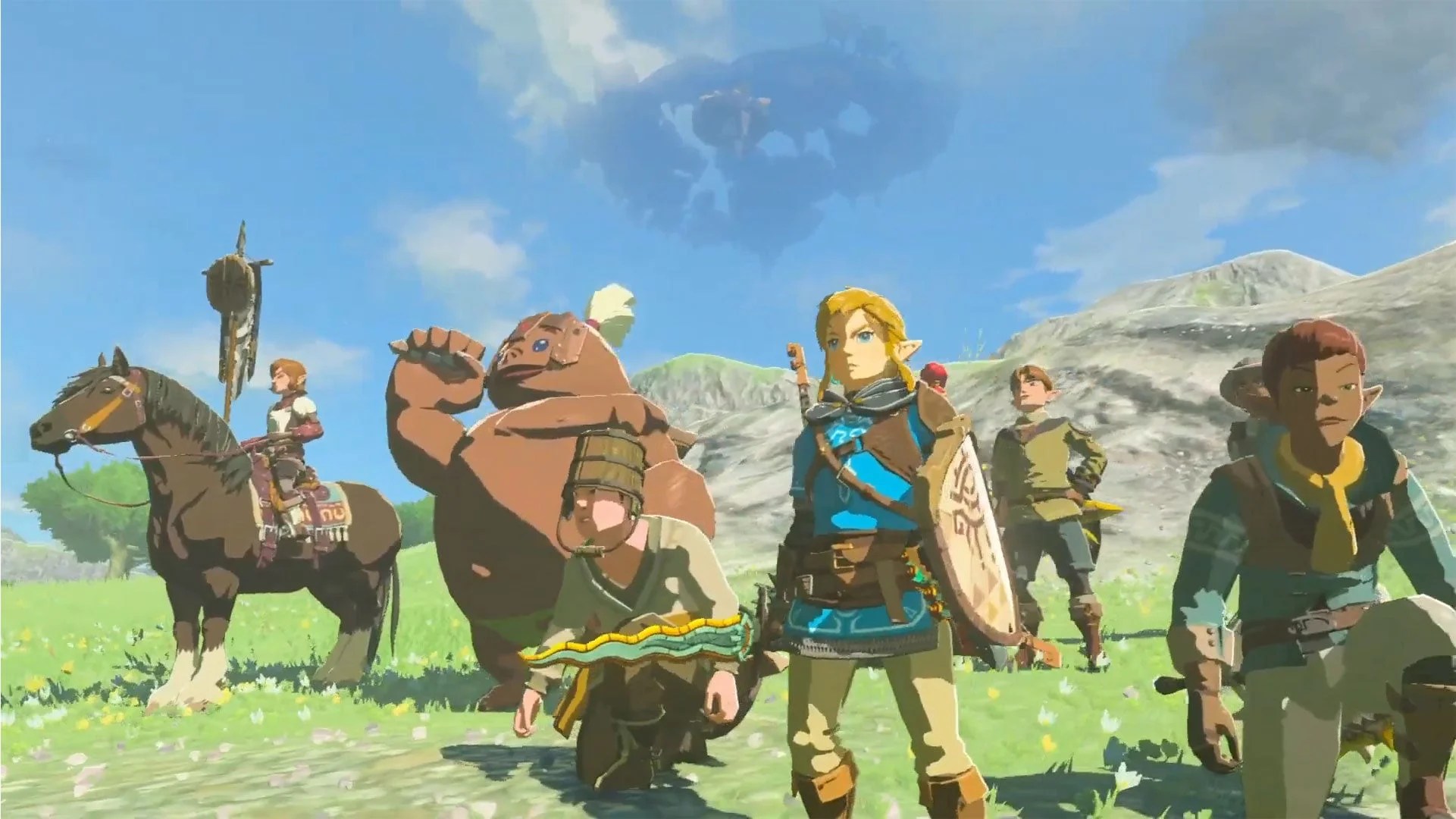
Nintendo Good luck, I believe in you. See you in the future!
Related Posts
- 10 Questions To Ask During A Session for PC Worldbuilding
- Three Secret Questions for Combat Encounter Locations
- The Best Supplement For Your Session Zero (for any game system)
My Favorite Posts
- d100 Magical Trinkets and Relics
- My #1 Tip For New Dungeon Masters
- Three Secret Questions for Combat Encounter Locations
Recent Posts
- Experience Points Vol. 8 – Birthday Fundraiser
- Happy International Game Masters Day!
- Top 10 DnD Resources So Good They Should Be Illegal- Experience Points Vol. 7
- How to Make DnD Combat More Fun – Experience Points Vol. 6
- Dungeons & Dragons Takes Center Stage!
Support the Blog
- Support me on Ko-fi! Ko-fi.com/craigofinspiration
- Save 10% on your order from Dice Legion with code INSPIRAT10N at checkout
- As an Amazon Associate, I may earn from qualifying purchases https://amzn.to/4bg50tj
-
My #1 Tip For New Dungeon Masters
Focus on the basics. Describe the situation, and have the players describe what they want to do.
Focus on the fun. Roll some dice and celebrate the awesome moments and the big whiffs.
Focus on the characters. What connects them to the adventure and the other PCs?
Give them something to explore and learn about. Provide a fantastic location for the players to engage with.
Give them someone silly to roleplay with. A fantasy creature with a silly voice goes a long way.
Give them something to stab with their sword. Most DnD players just want to feel heroic and kill some monsters. Give them that chance!
By including these basic ideas you will have the foundation for a fun session. As long as you are all having fun then you are doing it right.
Have any tips you would like to share, leave them in the comments below!
As always, good luck with your next session, I believe in you! See you in the future.
Related Posts
- Three-Point Planning, or How to Session Prep Like a Zelda Game
- The Best Supplement For Your Session Zero (for any game system)
- 3 Books to Level Up Your Next DnD Game
My Favorite Posts
- d100 Magical Trinkets and Relics
- My #1 Tip For New Dungeon Masters
- Three Secret Questions for Combat Encounter Locations
Recent Posts
- Experience Points Vol. 8 – Birthday Fundraiser
- Happy International Game Masters Day!
- Top 10 DnD Resources So Good They Should Be Illegal- Experience Points Vol. 7
- How to Make DnD Combat More Fun – Experience Points Vol. 6
- Dungeons & Dragons Takes Center Stage!
Support the Blog
- Support me on Ko-fi! Ko-fi.com/craigofinspiration
- Save 10% on your order from Dice Legion with code INSPIRAT10N at checkout
- As an Amazon Associate, I may earn from qualifying purchases https://amzn.to/4bg50tj
-
The Dungeon Master’s Handbook: Tips from June 2023
Here are the top ten Dungeon/Game Master tips that I posted to various social media channels in June 2023. These tips are great for almost any TTRPG like Dungeons & Dragons, Pathfinder, or Old School Essentials.
- Don’t build out your campaign arcs until you’ve seen what sorts of characters your group brings to the table.
- Don’t be afraid to mark up your sourcebooks. You’re not a museum curator. Give them some character and add to them!
- Don’t try to save major villains if they die early. Maybe they become minor ones and some other creature becomes the boss.
- If your group runs into an encounter well above their capabilities, ensure you give them enough clues to know when to run.
- Keep rules arguments down to 90 seconds then make a judgment and move on. Let people look it up between games.
- After each session, think of ways to reorient stories toward the actions of the PCs.
- Don’t be afraid to give villains interesting effects PCs might not have seen before. No reason they can’t research unique magic.
- Pour yourself into the setting material for your game instead of writing your own story. How will the world react to the PCs?
- “Describe your killing blow” is a great way to draw your slayer player types into the story.
- Ask your players for their current HP and AC at the start of the session so they know where it is.
These tips are courtesy of Mike Shea at slyflourish.com.
If you have any questions please leave them in the comments below.
As always, good luck with your next session, I believe in you! See you in the future.
Related Posts
- d100 Questions to Get To Know Your PCs
- Three-Point Planning, or How to Session Prep Like a Zelda Game
- The Best Supplement For Your Session Zero (for any game system)
My Favorite Posts
- d100 Magical Trinkets and Relics
- My #1 Tip For New Dungeon Masters
- Three Secret Questions for Combat Encounter Locations
Recent Posts
- Experience Points Vol. 8 – Birthday Fundraiser
- Happy International Game Masters Day!
- Top 10 DnD Resources So Good They Should Be Illegal- Experience Points Vol. 7
- How to Make DnD Combat More Fun – Experience Points Vol. 6
- Dungeons & Dragons Takes Center Stage!
Support the Blog
- Support me on Ko-fi! Ko-fi.com/craigofinspiration
- Save 10% on your order from Dice Legion with code INSPIRAT10N at checkout
- As an Amazon Associate, I may earn from qualifying purchases https://amzn.to/4bg50tj
-
How to Play D&D With Only Two Dice
As a dungeon master sometimes you need to simplify. Sometimes you forget your bag of dice. Sometimes you just want to try something different. I found a way to roll fewer dice at the table while still keeping some randomness involved.
All you need is a d20 and a d6.
The d20 is for the normal ability checks, saving throws, and attack rolls.
The d6 is for everything else. Which most of the time is going to be damage. Sure you could roll it a bunch of times or you can do some simple math.
Find the average damage and subtract 3, then add your d6 roll. Subtracting 3 from the average is because 3 is the average roll of a d6.
(Average Damage – 3) + d6
For example, a thrown rock from a Hill Giant normally does 21 (3d10 + 5) bludgeoning damage. Instead of rolling 3d10 + 5, you can take the average of 21 subtract 3 and roll a d6 instead. This would make the attack d6 + 18 bludgeoning damage.
This does make the lowest possible damage skew higher by increasing the damage modifier and it also lowers the maximum possible damage. For comparison, the normal range for the thrown rock is 8 – 35 but our adjusted range is 19 – 24.Most damage rolls can be converted like this and the math is easy to do on the fly. This is great for large tables when you need to move fast or even if you have limited space and can’t afford to have dice flying everywhere.
I’m still going to roll all the dice for the dragon’s breath weapon.
As always, good luck with your next session. I believe in you. See you in the future!
Inspired by the article Die, DM, Die! By Chris Perkins and discussions on the Sly Flourish discord server.
Related Posts
- My #1 Tip For New Dungeon Masters
- Three-Point Planning, or How to Session Prep Like a Zelda Game
- The Best Supplement For Your Session Zero (for any game system)
My Favorite Posts
- d100 Magical Trinkets and Relics
- My #1 Tip For New Dungeon Masters
- Three Secret Questions for Combat Encounter Locations
Recent Posts
- Experience Points Vol. 8 – Birthday Fundraiser
- Happy International Game Masters Day!
- Top 10 DnD Resources So Good They Should Be Illegal- Experience Points Vol. 7
- How to Make DnD Combat More Fun – Experience Points Vol. 6
- Dungeons & Dragons Takes Center Stage!
Support the Blog
- Support me on Ko-fi! Ko-fi.com/craigofinspiration
- Save 10% on your order from Dice Legion with code INSPIRAT10N at checkout
- As an Amazon Associate, I may earn from qualifying purchases https://amzn.to/4bg50tj
-
Subscribe
Subscribed
Have a WordPress.com account? Log in now.

