-
Leyfinder | Magic Item
Leyfinder
Wondrous item, rare
Appearing as an ordinary compass, the Leyfinder shows faint glowing runes etched into the metal casing upon closer inspection. The needle spins erratically until it settles on a specific direction, pointing towards the nearest source of magical energy. The runes seem to hum and pulse with a faint blue light whenever it detects a strong source of magic. This enchanted compass is attuned to the flow of magical energy that permeates the world called ley lines.
While the Leyfinder is in your possession, you have advantage on Intelligence (Arcana) checks made to identify the properties of magical items related to ley lines and the flow of magic.
Arcane Sight. Twice per day, you can use an action to cast the Detect Magic spell allowing you to sense the presence of magical energy within 30 feet of you. This ability recharges on a long rest.
Adventure Hook. Goblin raiders have stolen the Leyfinder from a museum and are using it to locate and loot magical treasures. The party has been hired by a local lord to retrieve the artifact and put a stop to the goblins’ raids.
Related Posts
- The Best Supplement For Your Session Zero (for any game system)
- Qifer’s Left Boot | Magic Item
- Dice Label Table: The Ultimate Tool For New Players
My Favorite Posts
- d100 Magical Trinkets and Relics
- My #1 Tip For New Dungeon Masters
- Three Secret Questions for Combat Encounter Locations
Recent Posts
- Experience Points Vol. 8 – Birthday Fundraiser
- Happy International Game Masters Day!
- Top 10 DnD Resources So Good They Should Be Illegal- Experience Points Vol. 7
- How to Make DnD Combat More Fun – Experience Points Vol. 6
- Dungeons & Dragons Takes Center Stage!
Support the Blog
- Support me on Ko-fi! Ko-fi.com/craigofinspiration
- Save 10% on your order from Dice Legion with code INSPIRAT10N at checkout
- As an Amazon Associate, I may earn from qualifying purchases https://amzn.to/4bg50tj
-
Slànachaidh | Magic Item
Slànachaidh
Wondrous item, rare (requires attunement)
This small, smooth stone is about the size of a walnut with intricate, swirling patterns on its surface that seem to shift as if alive. When held, the stone feels warm to the touch and pulses with a gentle, healing energy. While attuned to the Slànachaidh stone, you gain the following benefits:
- You have resistance to disease.
- You can use an action to touch a creature and restore a number of hit points equal to 2d6 + your Wisdom modifier (minimum of 1 hit point). Once you use this feature, you cannot use it again until you finish a long rest.
- When you use a spell or ability to restore hit points to a creature, you can choose to increase the amount of hit points restored by 1d6. Once you use this feature, you cannot use it again until you finish a short or long rest.
In addition, the Slànachaidh has 3 charges. As an action, you can expend 1 charge to cast the Cure Wounds spell (1st level) on yourself or on a creature you touch. You can also expend 2 charges to cast the Lesser Restoration spell on a creature you touch. The Slànachaidh regains all expended charges each day at dawn.
Adventure Hook. The village of Stonehaven holds an ancient statue of a gnoll god and a secret relic, the Slànachaidh, which the druids use to heal the sick and wounded. Protect the peaceful Druid village from the attack of the vicious Gnoll Pack Lord Otal and his warband, the Rabid Ravagers. The gnolls covet the artifact for their own purposes, and the druids need the adventurers’ help to keep it safe.
Related Posts
- The Best Supplement For Your Session Zero (for any game system)
- Dice Label Table: The Ultimate Tool For New Players
- Roll Your Own Goblin Tribe
My Favorite Posts
- d100 Magical Trinkets and Relics
- My #1 Tip For New Dungeon Masters
- Three Secret Questions for Combat Encounter Locations
Recent Posts
- Experience Points Vol. 8 – Birthday Fundraiser
- Happy International Game Masters Day!
- Top 10 DnD Resources So Good They Should Be Illegal- Experience Points Vol. 7
- How to Make DnD Combat More Fun – Experience Points Vol. 6
- Dungeons & Dragons Takes Center Stage!
Support the Blog
- Support me on Ko-fi! Ko-fi.com/craigofinspiration
- Save 10% on your order from Dice Legion with code INSPIRAT10N at checkout
- As an Amazon Associate, I may earn from qualifying purchases https://amzn.to/4bg50tj
-
The Dungeon Master’s Handbook: Adding Roleplay to Combat Encounters
There are several ways to add more excitement and immersion to your D&D 5e combat encounters. Maybe your players are combat tacticians and skip your amazing crafted roleplay scenes before combat begins? Maybe you just want to have awesome combats that your players talk about after the session. The following tips will help you make your combats not only more exciting but more engaging and immersive too.
Describe The Action
When running a combat encounter, it’s important to make it engaging and immersive for your players. One way to do this is by describing the actions and reactions of the enemies they’re fighting. This can be enhanced by adding in descriptions of their equipment, such as the twang of a bowstring or the slamming of armor. You can also sprinkle in sensory details to make the battle more vivid and memorable – think of the rushing of a nearby waterfall, the heat from a pool of lava, or the nasty breath of a monster in your face.
As you describe the actions of the monsters and enemies in detail, don’t forget to give your players the opportunity to take their own actions and make decisions that affect the course of the battle. For example, you could describe the enemy goblin’s arrow narrowly missing the fighter’s ear, but then give the player a chance to respond by having the fighter charge the goblin with a roar, or take cover behind a nearby tree. Keep the players engaged and invested in the battle, and you can create a more dynamic and exciting encounter that will leave a lasting impression.
More examples of describing the cinematic action include the sound of an arrow whizzing past a player’s head, the scent of the burning wood from a fire, and the feel of wet mud splashing on a player’s face as they dodge an enemy’s attack. A good way to find inspiration for descriptions like these is to read a lot and use action scenes from your favorite movies as inspiration.

Image by Mitaukano from Pixabay
Use Communication
Another way to make combat more engaging is to have the bad guys communicate with each other in short messages on their turns. This is a great way to show your players new tactics and methods they can use in the game. For example, you might have leaders barking coded orders to minions, guards calling for backup, or kobolds luring the players into the next trap.
Don’t be afraid to have enemies converse with the characters during combat as well. This can make it more personal and engaging for your players, especially if you use any relationships the enemies have to encourage combat roleplay. You can even add charisma-based skill checks like Persuasion or Intimidation to alter the course of the battle. For example, you might have enemies demanding the players hand over the MacGuffin, NPCs from the characters’ past using their relationship against them, or goblins just trying to figure out why the players are in their cave.
Your players will remember the first time an enemy leader gave a rousing speech to inspire their minions, or when a pair of enemies argued with each other about what strategy to use next, and especially when an enemy surrendered and tried to negotiate with the players mid-combat.
Additionally, adding a bit of backstory to the enemies can help make the encounter more interesting. Perhaps the goblins are raiding the town because their village was burned down, or the dragon is hoarding treasure to protect her young. By providing context and depth to the enemies, you can give players a more meaningful reason to engage with the encounter and create a more satisfying conclusion.
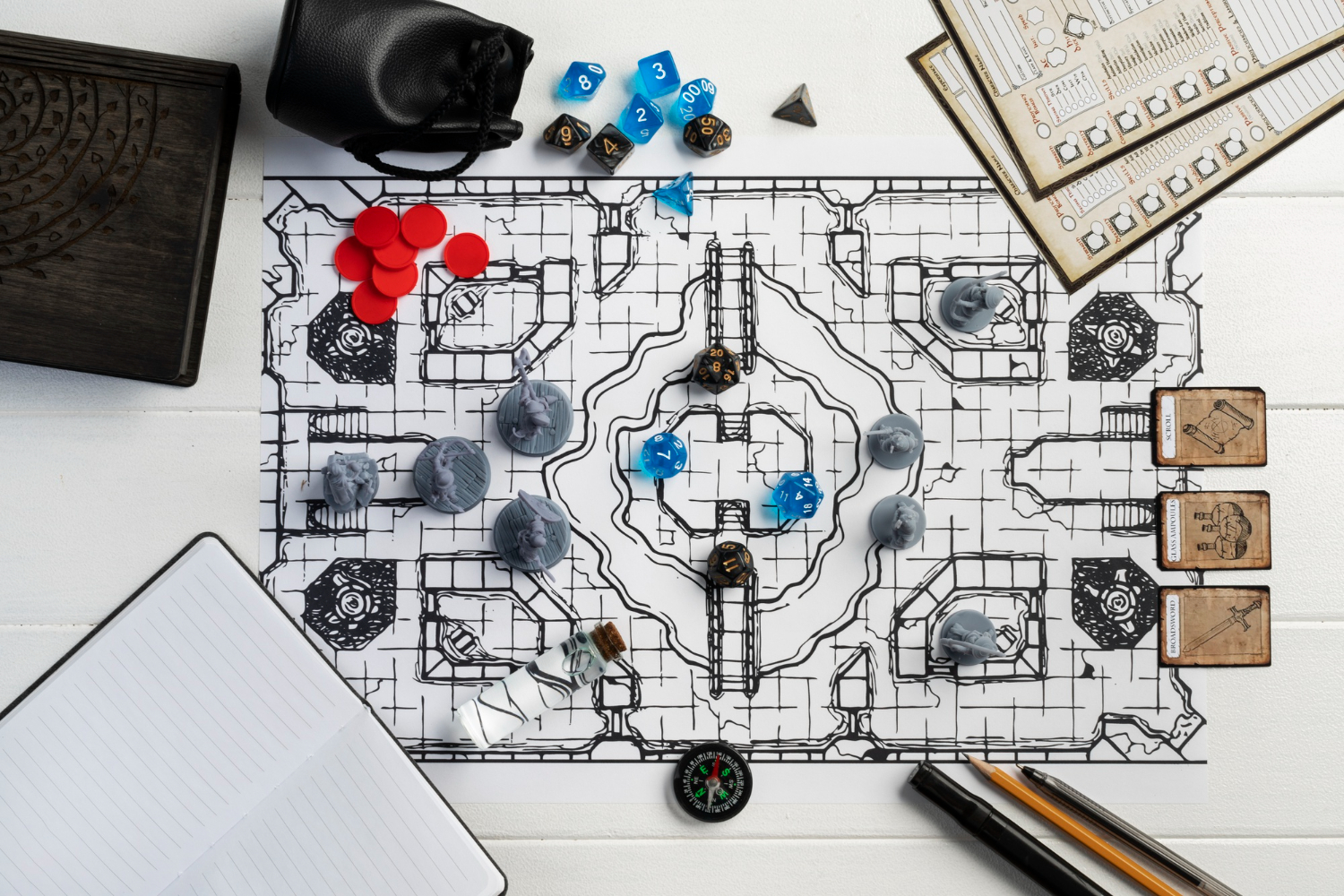
Image by Freepik
Interacting with the Environment
It’s also important to give players opportunities to interact with the environment and other surroundings. Describe items in the environment they can interact with early and often. Use NPCs or enemies to show the players the possibilities and limits of what can be done with elements in the environment. This might include activating traps, using improvised weapons, or freeing a captured NPC.
It’s crucial to consider how environmental factors can affect the outcome of combat encounters. Perhaps the players are fighting in a dark and damp dungeon, where torches and other light sources can provide both an advantage and a disadvantage. Or maybe the battlefield is strewn with various types of terrain, such as rough or slippery ground, that can affect movement and positioning.
Creep out your players with descriptions of how the walls of the dungeon are slick with moisture, making it difficult to get a good grip on weapons or navigate quickly. Cut the battlefield in half by having an enemy knock over a torch or lantern, creating a hazardous area of flames and smoke.
Consider how non-combat aspects of the environment can be used to enrich the overall storytelling experience. For example, maybe the players stumble across a hidden passage that leads to a pile of treasure, or a player notices a hidden switch or lever that triggers a trap or opens a secret passage. Perhaps they come across an ancient mural that holds clues to a larger mystery in the campaign. These types of environmental details not only make combat more engaging but also help to build a rich and immersive world for your players to explore.
Rewarding Creativity
Finally, it’s important to reward players for thinking creatively. When a player describes their character running across the table to swing from the chandelier and make two attacks with their sword on the enemy, don’t just say “make an acrobatics check.” Instead, let them know that what they described was cool and exciting, and give them an advantage on their next roll. This will encourage your players to come up with more creative solutions and make combat more engaging overall.
You could award extra experience points, treasure, or other in-game benefits to players who successfully utilize the environment or come up with creative solutions to combat encounters. Award a player extra experience points for using a creative strategy or attack that bypasses an enemy’s defenses. Allow a player to temporarily gain a bonus ability or power for successfully pulling off a particularly creative or daring action. Give a player inspiration for coming up with a clever way to use a piece of equipment or item in the environment. You might also consider giving players inspiration or other roleplaying bonuses for particularly clever or entertaining descriptions of their actions.
It’s important to remember that creativity is not just limited to combat encounters. Encouraging players to think outside the box in social interactions, puzzle-solving, and other non-combat situations can add a lot of depth and interest to your game. Consider providing rewards for creative roleplaying and problem-solving in these areas as well, to help your players feel more invested in their characters and the world around them. By fostering a culture of creativity and innovation, you can help your players have a more satisfying and memorable gaming experience.
Remember, the goal of combat encounters is to provide a fun experience for your players. By incorporating these roleplay tips and techniques, you can create more memorable combat encounters in your games.
Good luck with your next session, I believe in you! See you in the future.
Related Posts
- Three-Point Planning, or How to Session Prep Like a Zelda Game
- The Best Supplement For Your Session Zero (for any game system)
- Dice Label Table: The Ultimate Tool For New Players
My Favorite Posts
- d100 Magical Trinkets and Relics
- My #1 Tip For New Dungeon Masters
- Three Secret Questions for Combat Encounter Locations
Recent Posts
- Experience Points Vol. 8 – Birthday Fundraiser
- Happy International Game Masters Day!
- Top 10 DnD Resources So Good They Should Be Illegal- Experience Points Vol. 7
- How to Make DnD Combat More Fun – Experience Points Vol. 6
- Dungeons & Dragons Takes Center Stage!
Support the Blog
- Support me on Ko-fi! Ko-fi.com/craigofinspiration
- Save 10% on your order from Dice Legion with code INSPIRAT10N at checkout
- As an Amazon Associate, I may earn from qualifying purchases https://amzn.to/4bg50tj
-
The Dungeon Master’s Handbook: Tips from March 2023
Here are the top ten Dungeon/Game Master tips that I posted to various social media channels in March 2023. These tips are great for almost any TTRPG like Dungeons & Dragons, Pathfinder, or Worlds Without Number.
- In the prime of their life, what were all these tunnels, dungeons, or old ruins supposed to be?
- Don’t be afraid to talk about your hobby with your coworkers. You never know who used to play and dreams of playing again.
- A good villain thinks they’re right. A great villain IS right.
- Pay special attention to environmental effects in your encounters. They are often the thing that makes encounters unique.
- Try building a whole encounter that’s nothing but traps and hazards. Think the idol temple in Raiders of the Lost Ark.
- Turn a normal creature into an elite easily with twice the hit points and an extra standard action each round.
- Don’t force a story. Think what the main NPCs in your campaign are doing right now as they react to the PCs’ actions.
- Let your players choose which NPCs have a big part in your campaign. Don’t force the ones you like.
- Named bag guys can be more real and interesting than generic brutes. Come up with small details for sub-bosses.
- Keep your terrain effects simple. It’s hard enough to remember what your monsters are supposed to do.
These tips are courtesy of Mike Shea at slyflourish.com.
If you have any questions please leave them in the comments below.
As always, good luck with your next session, I believe in you! See you in the future.
Related Posts
- 10 Questions To Ask During A Session for PC Worldbuilding
- The Best Supplement For Your Session Zero (for any game system)
- Dice Label Table: The Ultimate Tool For New Players
My Favorite Posts
- d100 Magical Trinkets and Relics
- My #1 Tip For New Dungeon Masters
- Three Secret Questions for Combat Encounter Locations
Recent Posts
- Experience Points Vol. 8 – Birthday Fundraiser
- Happy International Game Masters Day!
- Top 10 DnD Resources So Good They Should Be Illegal- Experience Points Vol. 7
- How to Make DnD Combat More Fun – Experience Points Vol. 6
- Dungeons & Dragons Takes Center Stage!
Support the Blog
- Support me on Ko-fi! Ko-fi.com/craigofinspiration
- Save 10% on your order from Dice Legion with code INSPIRAT10N at checkout
- As an Amazon Associate, I may earn from qualifying purchases https://amzn.to/4bg50tj
-
The Dungeon Master’s Handbook: Creative Mechanics from Other TTRPGs to Take Your D&D Game to the Next Level
I love experimenting with different rules from other games. Dungeons and Dragons 5th Edition is pretty flexible and allows the Dungeon Master to have flexibility regarding the rules. This includes adding in your own homebrew rules as well as rules from other games. Here are five rules I suggest trying out to see if they fit your style of play.
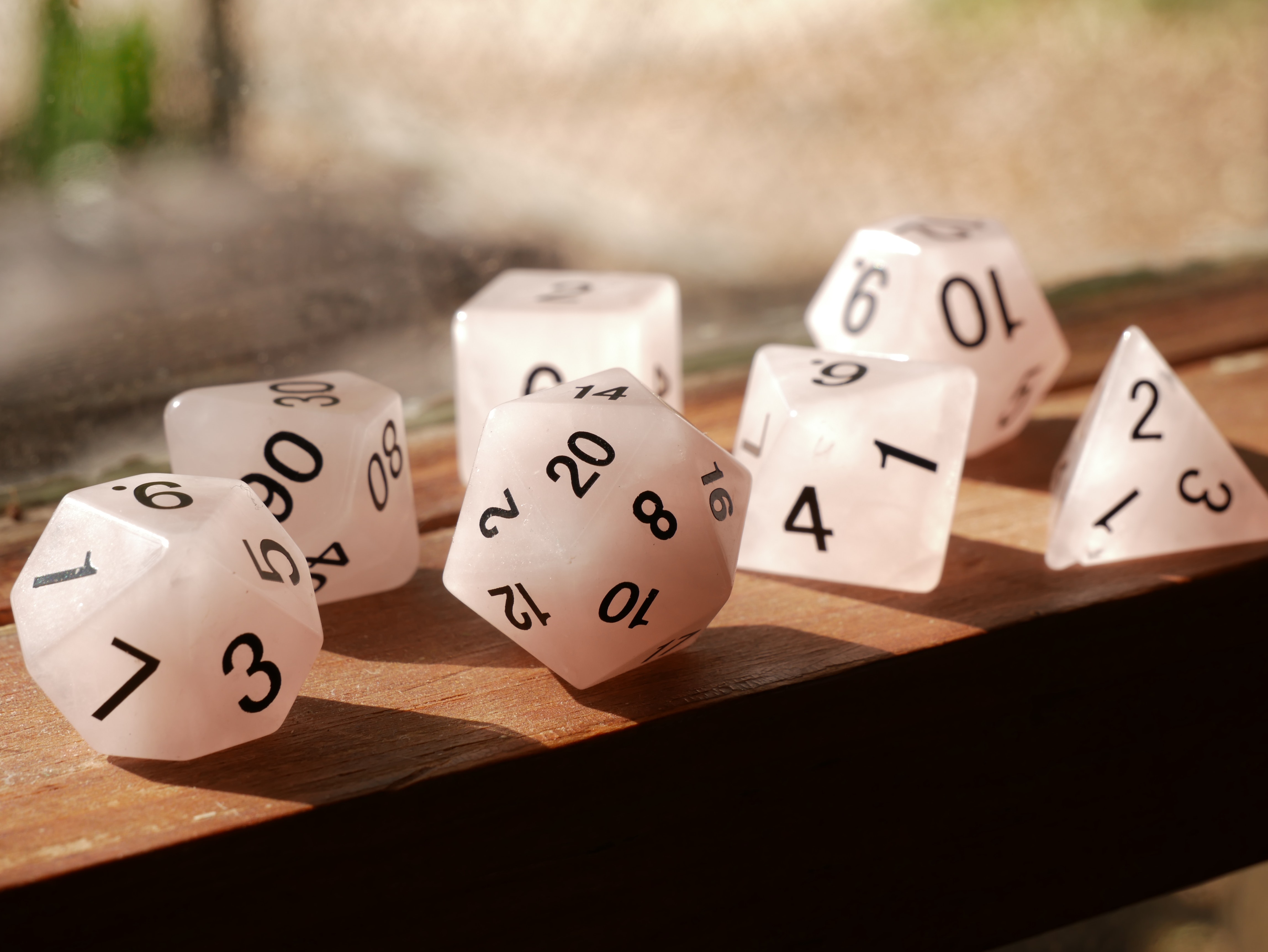
photo by Stephen Hardy
Interludes from Savage Worlds
What I like about Interludes is that it sets a game mechanic to have personal moments between the combats and other story beats. When the players have some downtime between tasks like combat, travel, or research you have a player draw a card. The player is to then tell a tale on a topic determined by the suit of the card. For example, clubs are a tragedy, spades tell a victory, hearts are about love, and diamonds are a story about desire. Even better if they can get other characters involved in the story. Afterward, you award the player with inspiration or another appropriate reward.
This is similar to a mechanic called Campfire Stories where you have the characters tell a story or discuss a topic during a short or long rest. When discussing adding Interludes or Campfire Stories to your campaigns you could explain them like the personal or emotional scenes in action movies where we learn more about the characters and their past or their hopes for the future. Be sure to let them know that they don’t have to participate if the players don’t want to. Either way, these are two good tactics to encourage role play amongst the players and their characters.
https://peginc.com/new-to-savage-worlds-start-here/
Basic and Special Moves from Dungeon World
Dungeon World has this great mechanic called Moves. These are a group of simple tasks and complex tasks that ANY character can use. They range from Hack and Slash, to Spout Lore, to Parley, or even Last Breath. These universal moves allow all the players to trigger specific actions and outcomes based on their choices. For example, if you are negotiating with a dragon the Parley move could be used with any leverage (something the dragon wants) you have in order to gain assistance or knowledge.
To use this in 5e I would make a list of possible actions the players could take like the different actions that are available in combat (attack, cast a spell, dash, etc.). Be sure to explain any moves that might be new to the players and allow them to ask any clarifying questions. Another method is to have the players describe their actions in more detail and use that to adjudicate outcomes. If it’s a great description you could have it work with no ability check or give them a bonus to the ability check that you call for. Lastly, you could use moves as an inspiration for a monster or NPC abilities that get triggered by specific player actions.
Escalation Die from 13th Age
Essentially, the escalation die is used to increase the pace and tension during combat. At the beginning of the second round, the DM places a d6 with the 1 side face up. This escalation die increases in value at the top of every round to a maximum of six. When players make an attack role they add the number on the escalation die to the attack roll. This bonus does not apply to monsters or NPCs, it is meant for player characters only. The die increasing in value represents the combat getting more intense and wild over time.
You can port this over directly to your 5th Edition game by using a d6 at the start of round 2 to communicate an attack bonus that all the PCs can use and increase it at the top of each subsequent round. Be sure to get your players on board before randomly putting a new die on the board. Doing so can help speed up combat and cause players to take risks like using powerful spells or abilities.
https://pelgranepress.com/13th-age/
Teamwork Feats from 3.5e
The DMG II introduced the concept of Teamwork Benefits that provide more uses of skills, ability or skill check bonuses, or even combat maneuvers. To gain these benefits the PCs must train with each other for a period of time as well as any prerequisites the benefit requires. Any time a team is formed or a new member joins they must train together by practicing the techniques needed for at least two weeks in order to receive the benefit. Some of the Teamwork Benefits listed include Friendly Fire Evasion where you have a limited evasion ability that is limited to spells cast by your teammates only and Spell Barrage where every subsequent spell that requires a DEX save after the first gets an increasing penalty to the DEX save per spell provided they are in the same area of effect as the original spell.
These can be brought into your 5th edition game by giving the party a group feat as they level up in each tier of play. This way you can get a handle on their play style and give them benefits that will work with them rather than a feat they will have to work around. Some examples include the optional flanking rule or synergy spells where multiple spells that have the same damage type or saving throw can gain a bonus to attack rolls or spell save DCs.
https://www.dmsguild.com/product/25841/Dungeon-Masters-Guide-II-35?affiliate_id=3271765
Flashback Mechanic from Blades in the Dark
A common mechanic I see used from Blades in the Dark is called Flashbacks. This allows a PC or adventuring party to go back to a time when they could have prepared for a situation they are currently in. Like if they are in a cave and they need a grappling hook you could flash back to a store in town where they purchase a grappling hook. Or perhaps they are trying to sneak into a guarded building and one of the PCs wants to flashback to last night at the inn and attempt to bribe a guard into helping you. What I like the most about flashbacks is that it’s a great way for players to add depth to their characters and it prevents the need for excessive planning
When using flashbacks in D&D the key is to establish ground rules, set the scene, and determine the outcome. Make sure the players understand how often they can use a flashback and the limits of what they can achieve. You don’t want them to take long or derail the flow of the session. Quickly describe the flashback and roll any checks required to determine how successful, if at all, their endeavor is. Not all flashbacks will require a roll however so don’t force one.
https://bladesinthedark.com/downloads
Do you have any rules you’ve added to your game that have come from somewhere else? Let me know in the comments.
Good luck on your next session, I believe in you! See you in the future.
Related Posts
- 3 Books to Level Up Your Next DnD Game
- The Best Supplement For Your Session Zero (for any game system)
- Dice Label Table: The Ultimate Tool For New Players
My Favorite Posts
- d100 Magical Trinkets and Relics
- My #1 Tip For New Dungeon Masters
- Three Secret Questions for Combat Encounter Locations
Recent Posts
- Experience Points Vol. 8 – Birthday Fundraiser
- Happy International Game Masters Day!
- Top 10 DnD Resources So Good They Should Be Illegal- Experience Points Vol. 7
- How to Make DnD Combat More Fun – Experience Points Vol. 6
- Dungeons & Dragons Takes Center Stage!
Support the Blog
- Support me on Ko-fi! Ko-fi.com/craigofinspiration
- Save 10% on your order from Dice Legion with code INSPIRAT10N at checkout
- As an Amazon Associate, I may earn from qualifying purchases https://amzn.to/4bg50tj
1, 13th Age, blades in the dark, d20, dmtip, dnd, dnd3.5e, dnd5e, dndtip, dungeon master, dungeon master inspiration, dungeon master tips, dungeon masters handbook, dungeon world, dungeons and dragons, fantasy, game master, new dungeon master, pathfinder, rpg, savage worlds, tabletop games, tabletop gaming, ttrpg -
How to Play D&D For Free. Forever.
One of the things I love about this hobby is that you can participate in it without spending any money whatsoever. Of course, you could spend all your money on the hobby but here I will show you how to play Dungeons & Dragons 5th Edition for free, forever.
Free Ruleset
Recent events have led to the DnD 5e ruleset being published under a Creative Commons license. This means that the basic rules for the 5th Edition are available for free in a few different places. DnDBeyond has a page where you can view the basic rules without making a purchase at all. They also have a page where you can download a pdf of the rules known as the System Reference Document version 5.1. If you are just looking into playing or running the game that is pretty much all you need to get started. If you are interested in creating your own content like backgrounds, adventures, or monsters then you should also be aware of the licenses and attributions mentioned in the SRD. Essentially, as long as you correctly attribute Wizards of the Coast in your work you are able to use their content in good faith. If you are interested in more information follow the dnd wizards link below.
https://www.dndbeyond.com/sources/basic-rules
https://www.dndbeyond.com/posts/1439-ogl-1-0a-creative-commons
https://dnd.wizards.com/resources/systems-reference-document
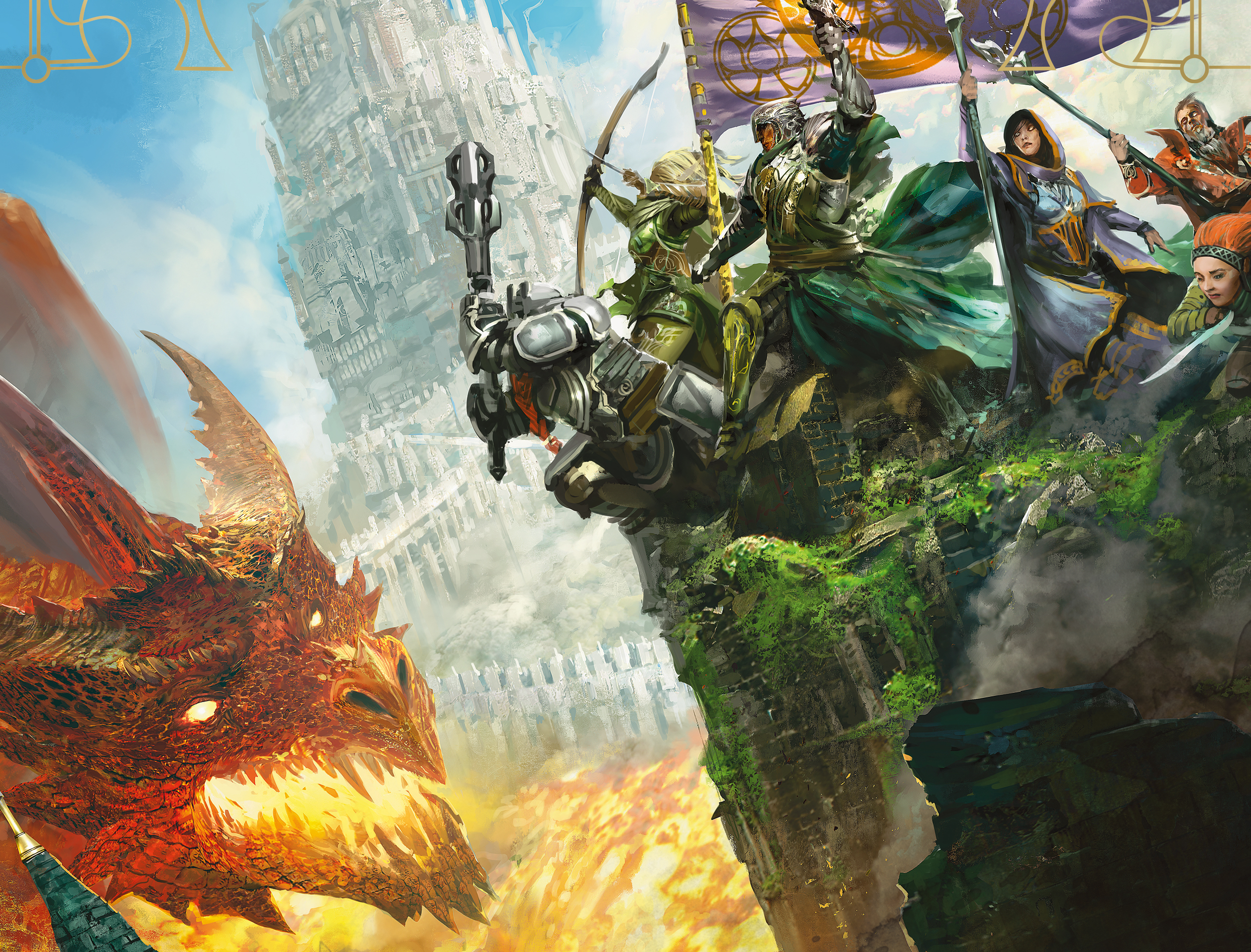
Cover art for the basic rules of Dungeons and Dragons
Free Character Sheets
In addition to the rules, Wizards of the Coast also provides a free form-fillable pdf character sheet for free. If you are using the basic rules dndbeyond.com will also generate a pdf of your character sheet that you can download and even print if you want to. I highly recommend using the Reroll app. It has the SRD available for you to use and you can edit and add abilities and information easily on the app as well the web version. There is also a 2d pixel-style character maker so you can customize your avatar. There are a bunch of options for race, clothing, weapons, items, and backgrounds for most people included in the free version. You only have to pay if you want more options for your character’s avatar otherwise it is completely free! I have also linked to other blog posts that have a variety of free and low-cost character sheet options.

Rolling with advantage on Mighty Dice. Free Dice Rollers
I know everyone loves the clickety-clack of the dice rolling around and I do too. I went from one set of dice to 20 sets in less than a year so I understand. However, we’re talking about playing games without spending any money. If you do a Google search for dice roller it will pull up their Roll Dice tool. On your phone, I would recommend the Mighty Dice app as it is made pretty well and feels like you are rolling dice instead of a random number generator.
Free Adventures

Courtesy from D&DBeyond Now that you have the rules, your characters, and the dice all figured out it’s time to get started on an adventure. The original adventure in the starter set for 5th Edition is available for free on Dndbeyond, Lost Mine of Phandelver. M.T. black has a great article of 20 free adventures that are highly rated on the Dungeon Masters Guild. Other great resources for free adventures include Adventure Awaits Studios and the donjon random adventure generator.
https://www.dndbeyond.com/sources/lmop
https://www.mtblackgames.com/blog/top-20-free-dnd-adventures
Free rule set? Check. Free character sheets? Check. Free dice roller? Check! If you have any free resources that you think should be added to the list please let me know!
For more free resources check out my blog post “Essential Resources You Need To Know About.”
Good luck with your next session, I believe in you! See you in the future.
Related Posts
- 3 Books to Level Up Your Next DnD Game
- Three-Point Planning, or How to Session Prep Like a Zelda Game
- The Best Supplement For Your Session Zero (for any game system)
My Favorite Posts
- d100 Magical Trinkets and Relics
- My #1 Tip For New Dungeon Masters
- Three Secret Questions for Combat Encounter Locations
Recent Posts
- Experience Points Vol. 8 – Birthday Fundraiser
- Happy International Game Masters Day!
- Top 10 DnD Resources So Good They Should Be Illegal- Experience Points Vol. 7
- How to Make DnD Combat More Fun – Experience Points Vol. 6
- Dungeons & Dragons Takes Center Stage!
Support the Blog
- Support me on Ko-fi! Ko-fi.com/craigofinspiration
- Save 10% on your order from Dice Legion with code INSPIRAT10N at checkout
- As an Amazon Associate, I may earn from qualifying purchases https://amzn.to/4bg50tj
-
The Three Secret Weapons to Making Your D&D Party Unbeatable
Every adventuring party has many roles that need to be filled. We all know about the tank, the glass canon, and the face. But I think these three are even more important to make sure everyone has a good time come gameday. Ideally, these jobs are done by someone other than the dungeon master. This way the DM can focus on running a great session instead of wrangling everyone’s schedule or keeping track of the party’s inventory.
Adventurers, volunteer for these important positions during your next game session.

Snack Captain
Arguably the most important hero in the party besides the dungeon master is the one who brings the food and drinks. Light snacks of nuts or chips are great as well as organizing a whole meal like pizza or burgers. A snack break is a great way to provide a break in the session preventing burnout during longer sessions. Over time, this can be a creative endeavor with themed snacks or drinks that are tied into the game. Think fun drinks during a festival, fancy food served at a celebratory feast, or a holiday being celebrated. Don’t be afraid to tell the players to bring certain items for creative, or dietary, reasons.
Schedule General

Another important figure at the (virtual) table is the one who can schedule the sessions and herd the cats…I mean players to the table come game night. Do your game master a favor and put one of the players in charge of checking in with everyone about attending the next session. Make sure to establish the minimum number of players needed to run a game and stick to it. The time and energy saved can be put towards prepping an awesome session. Don’t underestimate the player’s investment that can be fostered by having them be in charge of scheduling.
Noble Notetaker
Having a player on the other side of the screen who takes notes can be immensely helpful over the course of a long-term campaign. Not only will it help the players remember key details but it can also keep everyone on the same page. Notes help prevent confusion and misunderstanding by helping everyone recall important details from previous sessions. Even better if they also track the party inventory. Having a notetaker in the adventuring party encourages player engagement because they will have to be actively listening and paying attention to the game. Do your dungeon master a favor and take some pressure off their shoulders. That way they can put their energy into running a great game.
Players: volunteer for one of these esteemed positions at your next session.
Dungeon Masters: send this article to your players and ask them to be in charge of the snacks next time.
Let me know in the comments if you have any other important positions in your adventuring party.
Related Posts
- Three-Point Planning, or How to Session Prep Like a Zelda Game
- The Best Supplement For Your Session Zero (for any game system)
- Dice Label Table: The Ultimate Tool For New Players
Recent Posts
- Experience Points Vol. 8 – Birthday Fundraiser
- Happy International Game Masters Day!
- Top 10 DnD Resources So Good They Should Be Illegal- Experience Points Vol. 7
- How to Make DnD Combat More Fun – Experience Points Vol. 6
- Dungeons & Dragons Takes Center Stage!
Support the Blog
- Support me on Ko-fi! Ko-fi.com/craigofinspiration
- Save 10% on your order from Dice Legion with code INSPIRAT10N at checkout
- As an Amazon Associate, I may earn from qualifying purchases https://amzn.to/4bg50tj
-
The Dungeon Master’s Handbook: Tips from February 2023
Here are the top ten Dungeon/Game Master tips that I posted to various social media channels in February 2023. These tips are great for almost any TTRPG like Dungeons & Dragons, Pathfinder, or Worlds Without Number.
- Instead of random one-shots, build one-shots that fill out a piece of the main campaign story as yet untold.
- Don’t just call a battle over when it gets long. Have a plan to finish a battle early that makes sense in the story.
- Inanimate objects that radiate death make great powerful bosses. You can’t stun a pillar!
- We all make mistakes when running a D&D game. Relax and move on – we’ll all get better with every game we run.
- Have players roll the recharges on monster powers so the others will blame someone other than you when Orcus kills them.
- Watch your players’ reactions to the battle. Are they angry and stressed for the right reasons or the wrong ones?
- Interesting villains might turn sides and become powerful allies. Leave open the possibility.
- Whether to kill, capture, or release a defeated foe is always an easy and interesting choice to give players.
- Don’t be afraid for a powerful monster to cast blasts on his own guys in order to hit a lot of players.
- Just because all of your monsters are statistically the same doesn’t mean your players need to know that. Pretend one’s a boss.
These tips are courtesy of Mike Shea at slyflourish.com.
If you have any questions please leave them in the comments below. Cheers!
Related Posts
- Three-Point Planning, or How to Session Prep Like a Zelda Game
- Essential Resources You Need to Know About (for any game system)
- 3 Books to Level Up Your Next DnD Game
My Favorite Posts
- d100 Magical Trinkets and Relics
- My #1 Tip For New Dungeon Masters
- Three Secret Questions for Combat Encounter Locations
Recent Posts
- Experience Points Vol. 8 – Birthday Fundraiser
- Happy International Game Masters Day!
- Top 10 DnD Resources So Good They Should Be Illegal- Experience Points Vol. 7
- How to Make DnD Combat More Fun – Experience Points Vol. 6
- Dungeons & Dragons Takes Center Stage!
Support the Blog
- Support me on Ko-fi! Ko-fi.com/craigofinspiration
- Save 10% on your order from Dice Legion with code INSPIRAT10N at checkout
- As an Amazon Associate, I may earn from qualifying purchases https://amzn.to/4bg50tj
-
The Dungeon Master’s Handbook: 5 Non-Prep Tips to Improve Your Game
As a dungeon or game master how you prepare for a session can be very important. Taking care of yourself outside of game time can improve your performance as a DM. Here are five tips that can help you improve your game without requiring you to spend more time preparing for the session.
Get A Good Nights Sleep
There are many benefits to having a consistent sleep schedule and consistent sleep quality. Being well-rested can help improve your cognitive function (memory and creativity), improve emotional regulation (stressful and high-pressure situations), and provide increased resilience to stress and anxiety. Essentially, being well-rested can help you feel more emotionally prepared to face the challenges of being creative in high-pressure situations like a D&D session.
Get An Hour of Movement In
A regular amount of physical activity is shown to improve physical health, mental health, and cognitive function. Regular physical activity is known to improve cognitive functions like memory, attention, and processing speed. Improving your brain’s ability to process information and develop new ideas will not only help your sessions as a dungeon master but as a player too.
Go Outside and Get Sunlight On Your Face
Getting some sunlight on the face is good for your mental health as well as your physical performance. Not only will some sunlight exposure release serotonin (regulate emotions), but it also stimulates the production of Vitamin D which improves cognitive function, improves bone health, and supports the immune system. Another bonus is reduced fatigue from better sleep provided by regulating your body’s internal clock.
Eat Well Before, During, and After The Game
Before the session, it is recommended to eat a balanced meal of carbs, protein, and healthy fats to provide the energy you need. A fruit, vegetable, and protein powder smoothie is a good example. However, too much sugar and caffeine can cause energy crashes and mental fatigue. During the session, snacks of nuts or fruit are easy to digest and provide a good source of energy. My favorite is apples and peanut butter or a good trail mix with chocolate, dried fruit, and nuts. Don’t forget to stay hydrated and make sure everybody drinks enough water. Afterward, it is important to restore your spent energy with carbs, protein, and healthy fats. If you’re in person you could pretend to be at a fantasy inn with a meal of grilled salmon, roasted sweet potatoes, and green beans.
Communicate With Your Players
Keeping open communication channels with your players keeps them engaged with the game and invested in their characters. Open communication can improve player satisfaction by understanding and meeting their expectations of the game’s narrative, as well as mechanics. This will keep misunderstandings and conflicts to a minimum. Encouraging open communication can foster a collaborative and creative game experience. Creating a dynamic and engaging story that reflects all those involved will lead to more exciting games for everyone involved. What do your players want from their game? Ask them!
These tips are simple and effective ways to make sure you are at your best when it comes to game time. Running games is a challenging and rewarding experience and by taking care of yourself you can ensure more memories for you and your players.
Any questions, comments, or concerns can be left in the comments below.
Good luck with your next session, I believe in you. See you in the future!
Related Posts
- 3 Books to Level Up Your Next DnD Game
- Three-Point Planning, or How to Session Prep Like a Zelda Game
- The Best Supplement For Your Session Zero (for any game system)
My Favorite Posts
- d100 Magical Trinkets and Relics
- My #1 Tip For New Dungeon Masters
- Three Secret Questions for Combat Encounter Locations
Recent Posts
- Experience Points Vol. 8 – Birthday Fundraiser
- Happy International Game Masters Day!
- Top 10 DnD Resources So Good They Should Be Illegal- Experience Points Vol. 7
- How to Make DnD Combat More Fun – Experience Points Vol. 6
- Dungeons & Dragons Takes Center Stage!
Support the Blog
- Support me on Ko-fi! Ko-fi.com/craigofinspiration
- Save 10% on your order from Dice Legion with code INSPIRAT10N at checkout
- As an Amazon Associate, I may earn from qualifying purchases https://amzn.to/4bg50tj

-
Subscribe
Subscribed
Have a WordPress.com account? Log in now.

